
TMJ Treatment in Lucas
Getting to the Bottom of Your Jaw Pain

Have you been dealing with constant jaw pain, headaches, or problems opening or closing your mouth? Are these symptoms accompanied by faint popping or clicking sounds? You might be experiencing an issue with your temporomandibular joints, often abbreviated as TMJ. Here at Lucas Family Dentistry, Dr. Hubler understands how debilitating these TMJ disorders can be, which is why, in addition to diagnoses, we offer a wide range of TMJ treatment options, including occlusal splints, TENS treatment, and more. To schedule your consultation, contact our dental practice to speak with a team member.
Why Choose Lucas Family Dentistry for TMJ Treatment?
- Advanced Technology for Precise Diagnostics
- Comprehensive TMJ Treatment Under One Roof
- Personalized Treatment Plans Focused on Long-Term Relief
What Is TMJ Disorder?
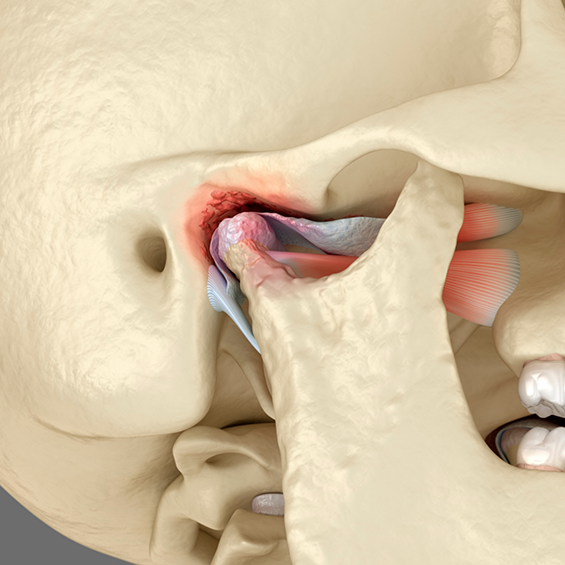
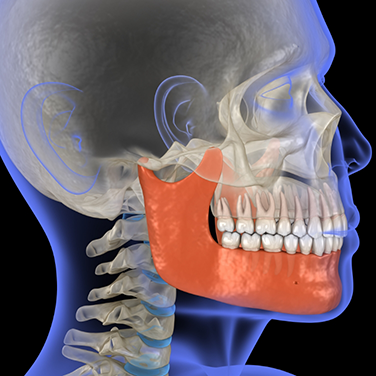
TMJ is an acronym that stands for temporomandibular joints, which are the hinge-like joints that connect your jaw to the rest of your skull. You rely on smooth-functioning TMJs for normal daily activities like biting, chewing, speaking, yawning, and even laughing. If these joints begin suffering issues, it can severely impact your life. If you’re experiencing some kind of pain or malfunction with these joints, you might have what’s known as TMD, which stands for temporomandibular joint disorder.
Common Symptoms of TMJ Dysfunction

TMD isn’t something you should ignore, and being fully aware of its symptoms can help you find effective treatment sooner. We encourage you to reach out to our office if you experience any of these symptoms:
- Lockjaw, or when your jaw locks in an open position
- Migraines, headaches, and dull, thumping head pain
- Pain in the neck and shoulders
- Earaches and ringing in the ears
- Clicking or popping noises heard in the jaw joints
- Difficulty eating or speaking
- Fatigue while chewing
- Dizziness or vertigo
- Teeth grinding, also known as bruxism
TMJ Treatment Can Relieve Chronic Headaches & Migraines
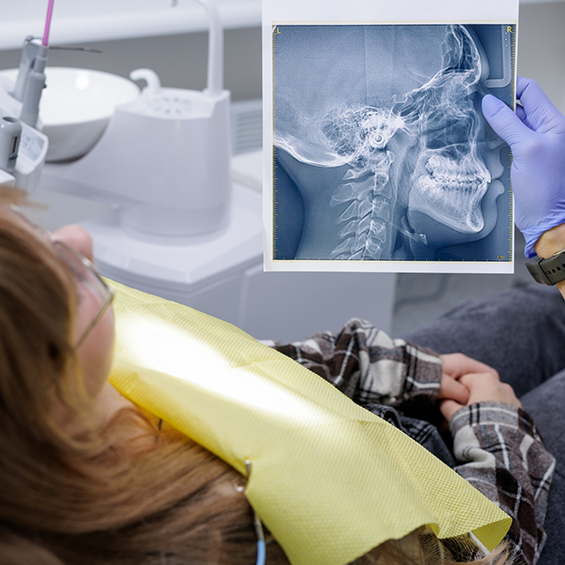
Chronic headaches and migraines are often linked to TMD; when the jaw joints and surrounding muscles are strained or misaligned, they can create persistent tension that radiates to the temples, face, neck, and shoulders. In many cases, airway issues and restricted breathing during sleep also contribute to clenching, grinding, and muscle overactivity, further triggering headaches. By addressing both TMD and underlying airway concerns, we can reduce muscle tension and improve jaw stability, which in turn can decrease the frequency and intensity of chronic headaches.
How We Diagnose & Treat TMJ Problems

Diagnosing TMJ disorders begins with a comprehensive evaluation of your bite, jaw joints, muscles, and airway to identify the true underlying cause of dysfunction. Dr. Hubler carefully analyzes how your teeth come together, how your jaw moves, and where muscle strain or instability may be occurring. The goal is simple: manage symptoms while determining the most appropriate path toward long-term stability. While occlusal splints may be used temporarily to relieve pain and protect the teeth, they are not usually the permanent solution. Through orthodontics, orthopedic care, restoration, and many other options, long-term wellness can be achieved!
EMG Jaw Tracking with K7
We use advanced EMG jaw tracking with the K7 system to precisely evaluate how your jaw joints and muscles function. This technology measures muscle activity and tracks jaw movement in real time, allowing us to identify imbalances, tension, and dysfunction associated with TMD. With accurate diagnostics, we can design more targeted, effective treatment plans for lasting relief.
Occlusal Splints
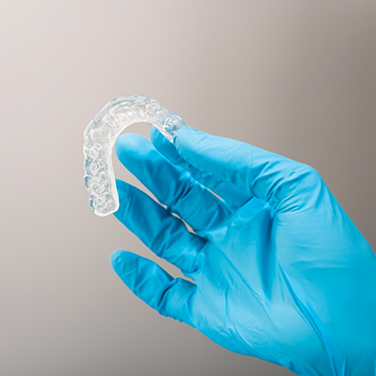
Occlusal splints are one of the most effective forms of treatment for patients in need of fast relief due to TMJ issues. These devices are generally worn temporarily, to allow the muscles, jaw joints, nerves, head, and neck to heal. Once this is complete, more in-depth care is usually explored.
TENS Machine Treatment
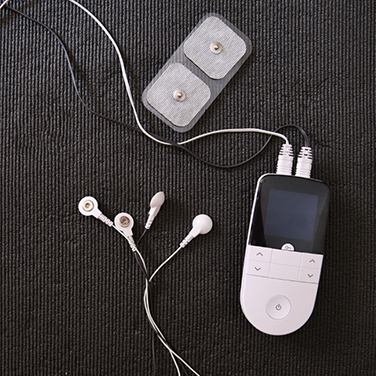
TENS stands for “transcutaneous electrical nerve stimulation,” which involves using low-voltage electrical currents to help address your painful symptoms. These currents can stop pain signals from being sent to your brain, providing immense and quick relief. The TENS machine also encourages your body to release natural endorphins, which further help with pain.
Equilibration/Occlusal Adjustments
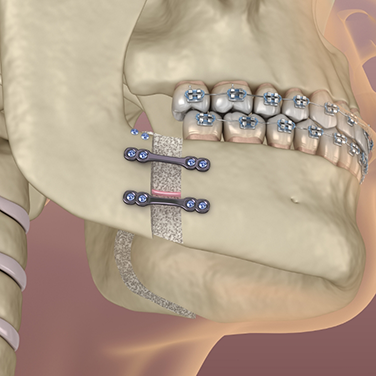
Equilibration, sometimes called occlusal adjustments, can be a very effective measure for treating TMD. It involves carefully reshaping and altering certain parts of certain teeth, so that the bite becomes more balanced and the upper and lower arches aren’t coming into unfavorable contact with each other.
Orthopedic Treatment for Underdeveloped Jaws
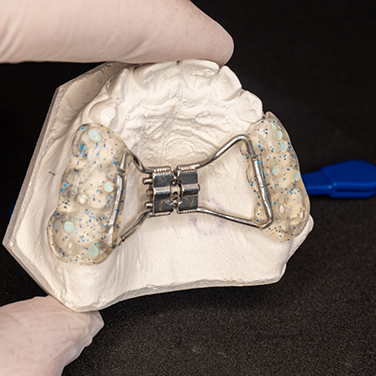
For patients with underdeveloped jaws, orthopedic treatment can gently guide proper growth and improve overall function. Using fixed or removable expanders, we can widen the arches and create more space in a minimally invasive way, often improving airway size at the same time. Once expansion is complete and a healthier foundation is established, orthodontic treatment is typically recommended.
Orthodontics

You might only associate orthodontics with straighter and more attractive teeth, but the truth is, it’s often one of the best forms of treatment for TMJ issues that are the result of jaw misalignments. Both braces and clear aligners can be used to address bite problems and other orthodontic concerns that may be impacting your jaw joints and mobility, as well as causing pain.
Why Is Treating TMJ Disorder So Important?

TMD can do far more than cause jaw discomfort; when left untreated, it can cause all kinds of debilitating chronic issues that affect your overall wellness—not just your jaw and oral health. While treating TMD early helps relieve pain, restore proper jaw function, and prevent long-term damage to the teeth and joints, it’s the benefits to your daily well-being that truly make it worthwhile. With a thorough evaluation and personalized TMJ treatment plan, we can help you and other patients in Lucas, Fairview, Parker, and the surrounding areas achieve lasting relief and protect your long-term wellness.
TMJ Treatment FAQs
Can TMJ disorder be cured permanently?
Dr. Hubler and our Lucas team do not want to provide you with a “band-aid” fix for your TMJ disorder. Rather, our goal is to help you find lasting relief from your symptoms. To that end, we combine advanced diagnostic technology with minimally invasive treatment that is customized to each case.
Often, when patients comply with treatment guidelines, they find that their symptoms go away and stay away indefinitely! Of course, it is worth mentioning that TMD can flare-up even after successful treatment. For example, it may recur due to a new jaw injury, degenerative conditions in the joints, or other factors. If that happens to you, our team can advise you on the steps you can take to minimize your discomfort and optimize the function of your TMJs (your jaw joints).
Can TMJ disorder be fixed with braces?
In some cases, TMD occurs because the upper and lower teeth are not working together as they should. A malocclusion (bad bite) can place extra stress on the TMJs and lead to a range of uncomfortable symptoms.
If that is true in your case, we might recommend braces or clear aligners to shift your teeth and train your lower jaw to rest in a better position. As a result of orthodontic treatment, you may get to enjoy permanent relief from TMD.
Of course, orthodontic treatment can take months to complete. When possible, we favor faster and more conservative options.
Is TMJ treatment safe?
Treatment for TMJ disorder is generally very safe! The methods we use are minimally invasive and nonpharmaceutical. We carefully analyze every case and recommend the most conservative treatment method for each patient. Therefore, we are able to provide very low-risk care.
In certain severe cases, TMD requires surgical intervention. While this approach is riskier than non-invasive options, it can be worth it for some patients.
If you have questions about the risks and potential side effects of the treatment plan that we recommend for you, do not hesitate to ask!
How long does TMJ treatment take?
The timeline for TMJ treatment depends on the details of each unique case. Many patients notice a positive difference very soon after equilibration or within days of using an occlusal splint. TENS therapy may provide almost immediate relief, but it is more of a pain management method than a real treatment.
For complete relief and lasting results, it might take a few months. If you do not start to notice results within a reasonable period of time, let our team know so we can evaluate your treatment plan and recommend necessary changes.